Archives
- 2026-09
- 2026-08
- 2026-07
- 2026-06
- 2026-05
- 2026-04
- 2026-03
- 2026-02
- 2026-01
- 2025-12
- 2025-11
- 2025-10
- 2025-09
- 2025-03
- 2025-02
- 2025-01
- 2024-12
- 2024-11
- 2024-10
- 2024-09
- 2024-08
- 2024-07
- 2024-06
- 2024-05
- 2024-04
- 2024-03
- 2024-02
- 2024-01
- 2023-12
- 2023-11
- 2023-10
- 2023-09
- 2023-08
- 2023-07
- 2023-06
- 2023-05
- 2023-04
- 2023-03
- 2023-02
- 2023-01
- 2022-12
- 2022-11
- 2022-10
- 2022-09
- 2022-08
- 2022-07
- 2022-06
- 2022-05
- 2022-04
- 2022-03
- 2022-02
- 2022-01
-
The life cycle of T cruzi requires both vertebrate
2022-01-21
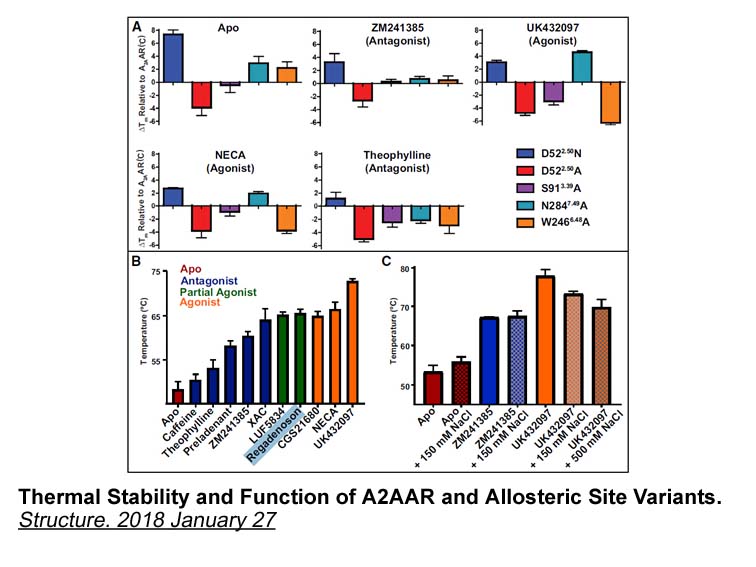
The life cycle of T. cruzi requires both vertebrate and invertebrate hosts. In the insect (invertebrate) vector, the protozoan undergoes extracellular replication, whereas in the mammalian (vertebrate) host it replicates by obligate intracellular multiplication (Rodrigues et al., 2014). Hence, the p
-
br Discussion Our results indicate that marked
2022-01-21
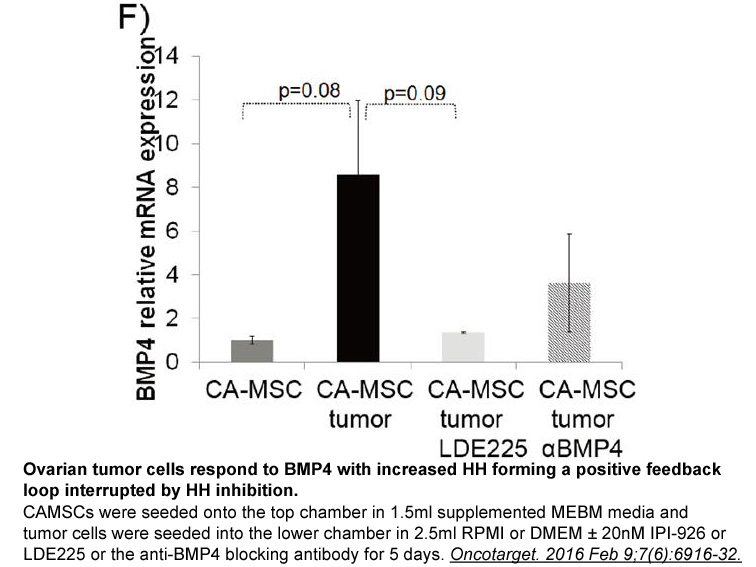
Discussion Our results indicate that marked changes in the relative distribution of AMPA receptors in microsomal and synaptic fractions occur during the postnatal period, and that these changes are correlated with changes in different populations of AMPA binding sites. At early postnatal ages (PN
-
br Discussion In the present
2022-01-21
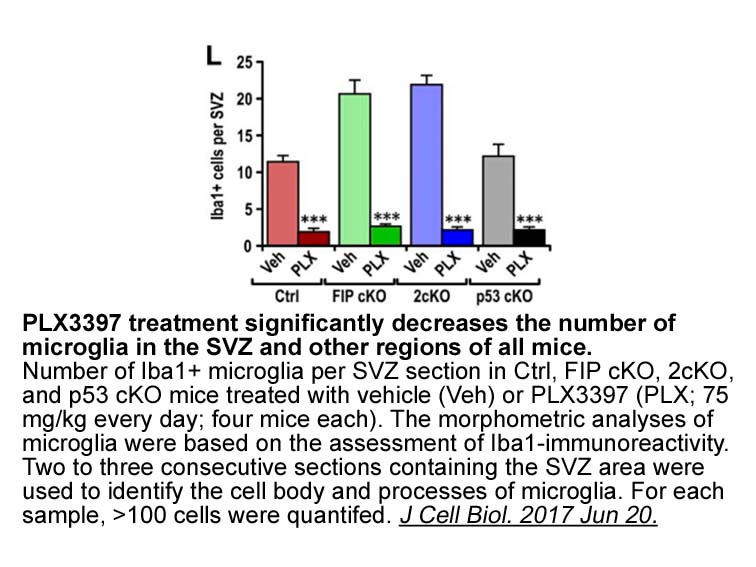
Discussion In the present study, we have demonstrated the effect of a high-fat diet upon wild-type and glut3 pregestational female phenotype and shown that it leads to obesity due to an increase in white adipose tissue contributing to the overall fat mass. Despite this observed obesity along with
-
br The GLI code The GLI code model considers
2022-01-21
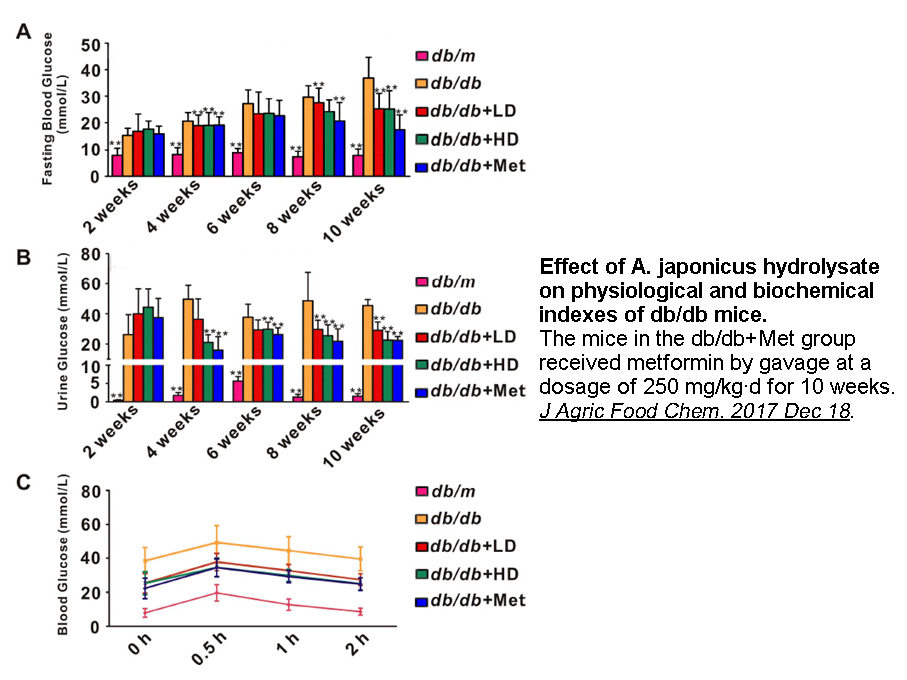
The GLI code The GLI code model [21], [22] considers the total GLI function as a balance of positive activator (GLIA) and negative repressive (GLIR) activities with GLI1 being mostly a positive transcription factor and GLI3 mostly a transcriptional repressor. The GLIA:GLIR ratio is thus critical,
-
br Acknowledgements This work was supported by a fellowship
2022-01-21
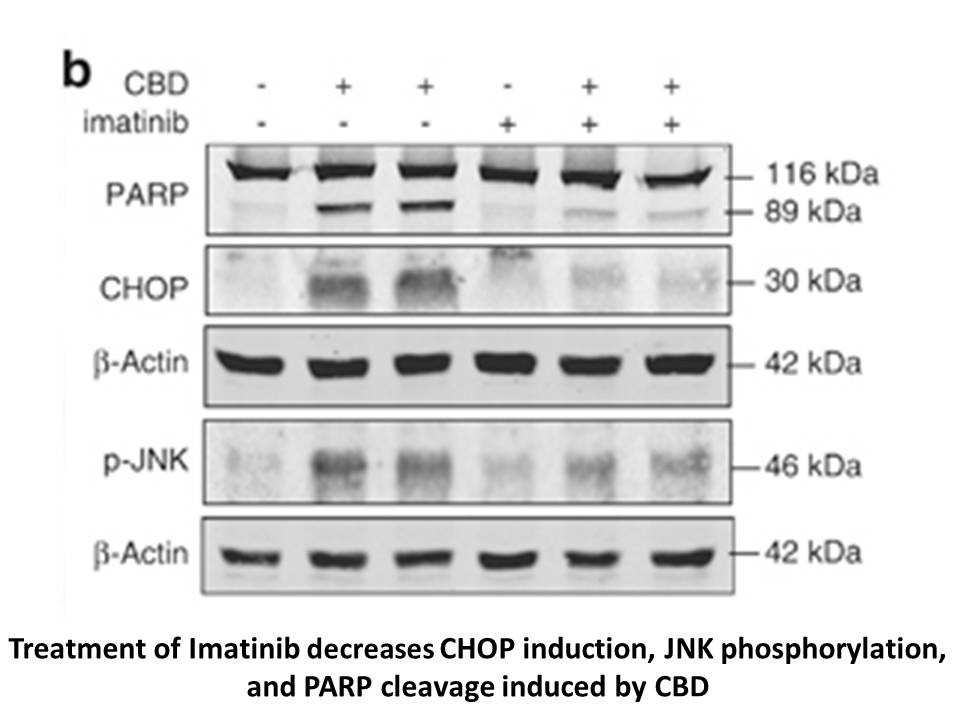
Acknowledgements This work was supported by a fellowship to C.H. under the ‘100 Foreign Expert’ scheme of the Shanxi province government(R100456). Conflict of interest: Dr. Holscher is a named inventor on a patent submitted by Lancaster University on the use of dual GLP-1/GIP analogues in neurod
-
br Introduction Calorie restriction CR in the absence
2022-01-21

Introduction Calorie restriction (CR), in the absence of malnutrition, has beneficial effects on conotoxin function, including reducing the incidence of age-related neurodegenerative disease (Gräff et al., 2013), eliciting anti-depressant behavior (Lutter et al., 2008) and improving memory functi
-
Retinal GAL receptor distribution suggests an intrinsic neur
2022-01-21
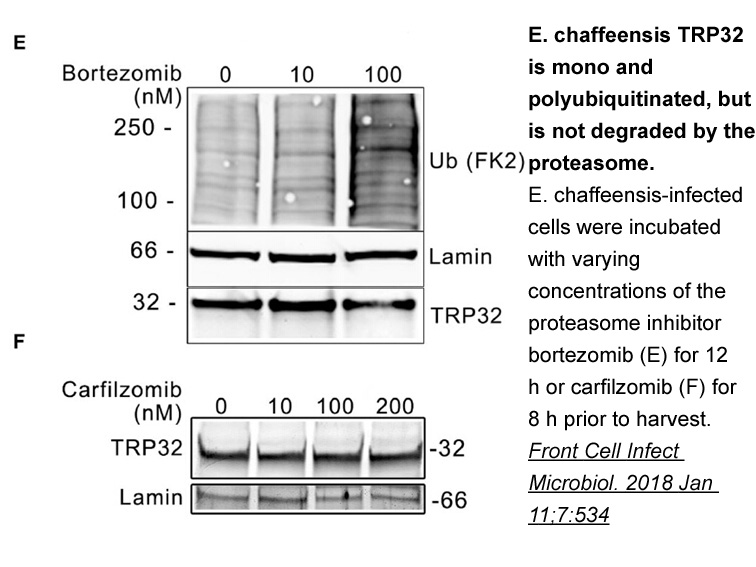
Retinal GAL receptor distribution suggests an intrinsic neuronal control since retina lacks an autonomic innervation, and a signal modulation seems most likely here, acting via GALR1 while GALR2 and GALR3 seem to play a rather minor role in this signal transduction. While sources acting on these ret
-
The fibroblast growth factor receptor FGFRs including
2022-01-21

The fibroblast growth factor receptor (FGFRs), including four highly conserved proteins (FGFR1-4), are important membrane sensors for extracellular signals [4]. By binding to their ligands, FGFRs are activated and can trigger various downstream intracellular signaling cascades, which is required for
-
Free fatty acids FFAs which are obtained from dietary fat
2022-01-21

Free fatty acids (FFAs), which are obtained from dietary fat or endogenous synthesis, function as nutrients and signaling molecules. Studies have shown that free fatty PPADS tetrasodium salt receptors 1–4 which are G-protein coupled receptors, bind free fatty acids and serve as receptors for these
-
Sirolimus rapamycin and everolimus both
2022-01-21
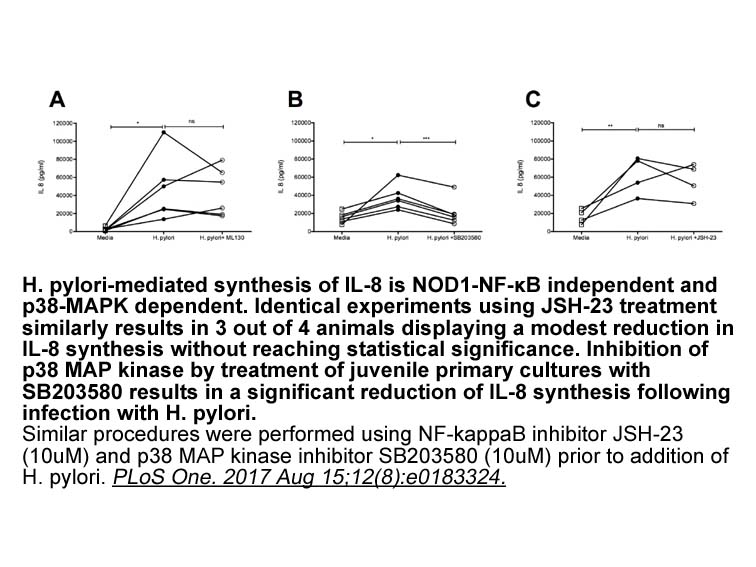
Sirolimus (rapamycin) and everolimus, both of which are mTOR inhibitors, are released by commonly used first- and second-generation DES. Considering the relatively high rates of the target vessel failure with currently available DES [12,14,16,45,46], there is a need for a novel drug strategy that pr
-
The structures of KDM A revealed a Cys
2022-01-21
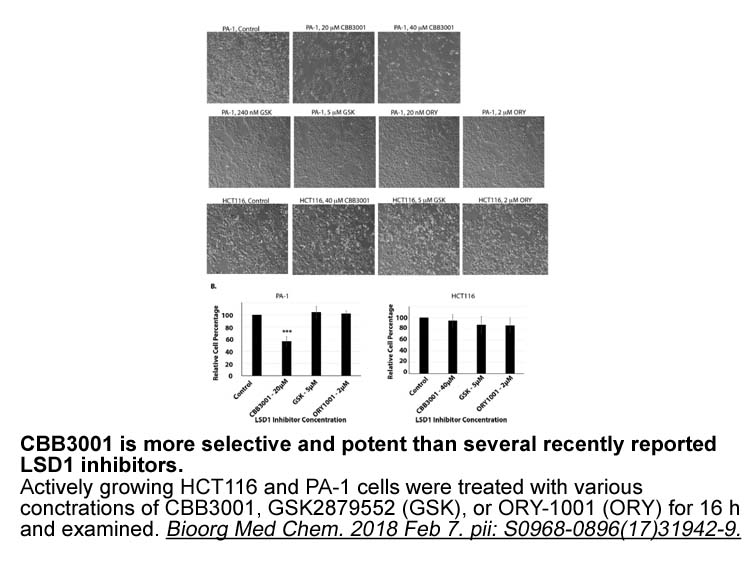
The structures of KDM4A revealed a Cys-His Zn(II) binding site that is close to the substrate binding spot, which bioinformatic analyses indicated was not present in any other histone demethylase subfamily. Therefore, an alternative method to inhibit the KDM4 family (95) would be to use compounds th
-
Almost all of the series and
2022-01-21
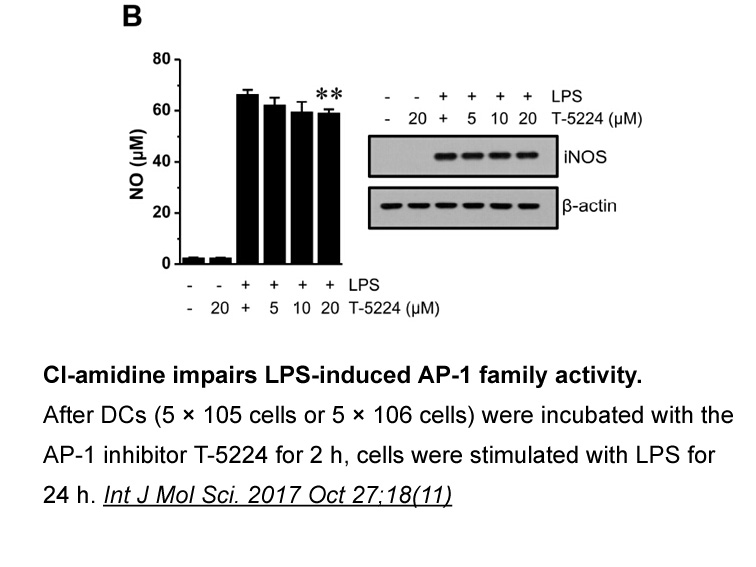
Almost all of the series and compounds exhibited higher activities compared with the compounds in the other series. In these series, the tetrazole group was directly linked to a nitrogen atom of the amide group at the C-28 position, and the C-3 hydroxy group was either unmodified, oxidized, esteri
-
br Materials and methods br Results br
2022-01-21
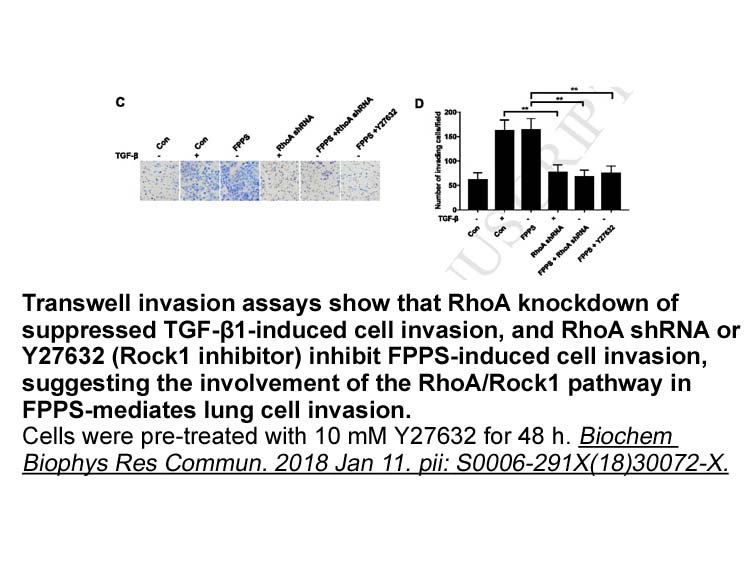
Materials and methods Results Discussion It was previously shown that heterologous DNA vaccines composed of fused cDNA fragments encoding chimeric NH2-terminal human HER2 and COOH-terminal rat neu sequences stimulated stronger antibody responses and protective antitumor immunity than either
-
Stability of DBS over the day time
2022-01-21

Stability of DBS over the 60-day time points was encouraging, with a maximum of 0.1 log10 IU/mL degradation from the day 1 value (Supplementary Fig. 1 and Supplementary Table 3). Discussion This study evaluated the sensitivity and specificity of the Aptima HCV Dx assay for HCV RNA detection from
-
br cAMP cGMP effector systems in human
2022-01-21
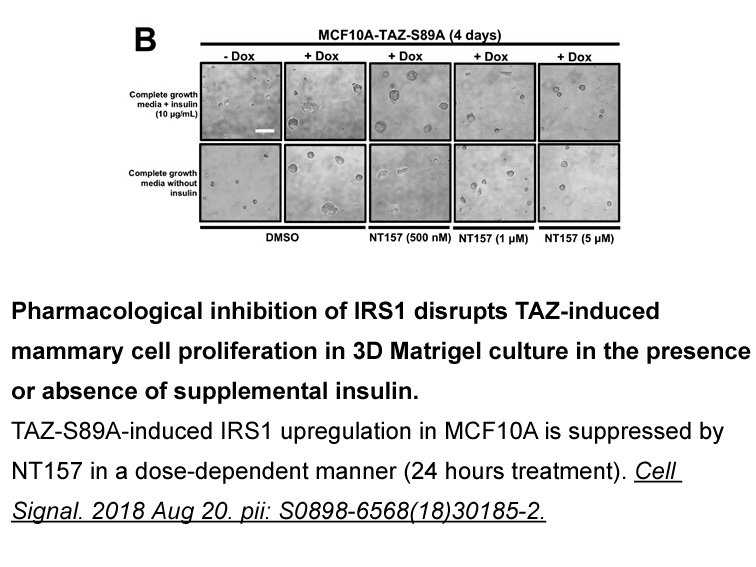
cAMP/cGMP effector systems in human platelets (PKA, PKG, PDEs) In eukaryotic cells, the effects of intracellular cAMP are mediated by two types of cAMP-dependent protein kinases (PKA type I and II) and cAMP-regulated guanine nucleotide exchange factors (EPAC/cAMP-GEF) which activate the RAS GTPas
8522 records 555/569 page Previous Next First page 上5页 551552553554555 下5页 Last page