Archives
- 2026-07
- 2026-06
- 2026-05
- 2026-04
- 2026-03
- 2026-02
- 2026-01
- 2025-12
- 2025-11
- 2025-10
- 2025-09
- 2025-03
- 2025-02
- 2025-01
- 2024-12
- 2024-11
- 2024-10
- 2024-09
- 2024-08
- 2024-07
- 2024-06
- 2024-05
- 2024-04
- 2024-03
- 2024-02
- 2024-01
- 2023-12
- 2023-11
- 2023-10
- 2023-09
- 2023-08
- 2023-07
- 2023-06
- 2023-05
- 2023-04
- 2023-03
- 2023-02
- 2023-01
- 2022-12
- 2022-11
- 2022-10
- 2022-09
- 2022-08
- 2022-07
- 2022-06
- 2022-05
- 2022-04
- 2022-03
- 2022-02
- 2022-01
- 2021-12
- 2021-11
- 2021-10
- 2021-09
- 2021-08
- 2021-07
- 2021-06
- 2021-05
- 2021-04
- 2021-03
- 2021-02
- 2021-01
- 2020-12
- 2020-11
- 2020-10
- 2020-09
- 2020-08
- 2020-07
- 2020-06
- 2020-05
- 2020-04
- 2020-03
- 2020-02
- 2020-01
- 2019-12
- 2019-11
- 2019-10
- 2019-09
- 2019-08
- 2019-07
- 2019-06
- 2019-05
- 2019-04
- 2018-11
- 2018-10
- 2018-07
-
The most abundant form of Hat p in the nucleus
2021-10-27
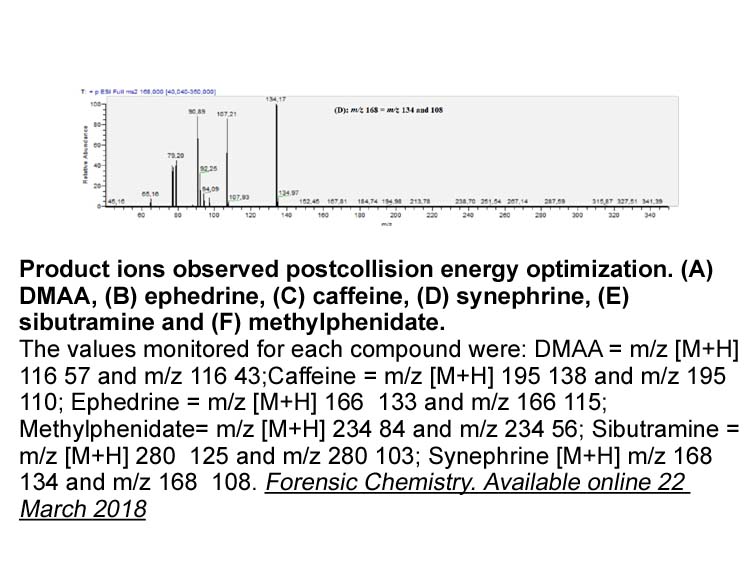
The most abundant form of Hat1p in the nucleus is apt to be in the form of the NuB4 complex [96]. In the context of Flavin adenine dinucleotide disodium assembly, the function of the NuB4 complex may be similar to that ascribed for the cytoplasmic HAT1 complex. That is, the NuB4 complex may be invo
-
According to previous methods several
2021-10-27
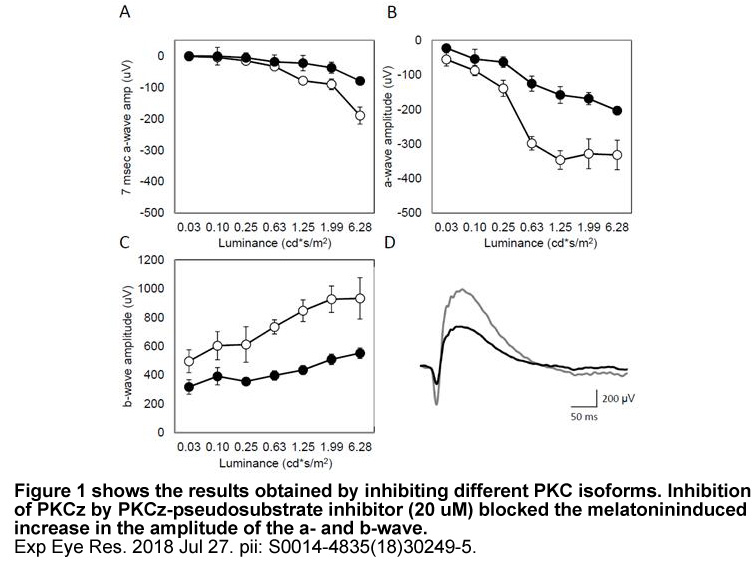
According to previous methods, several mobile phase compositions and gradient programmes were assayed to get the best resolved peaks for HA and MHA [12], [13], [24]. Considering the slightly structural differences of the analytes, a mobile phase consisting in two eluents of different polarity and pH
-
According to previous methods several
2021-10-27
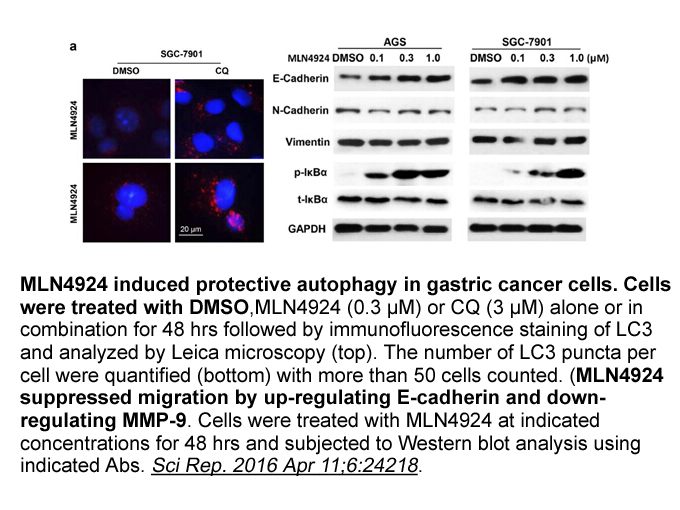
According to previous methods, several mobile phase compositions and gradient programmes were assayed to get the best resolved peaks for HA and MHA [12], [13], [24]. Considering the slightly structural differences of the analytes, a mobile phase consisting in two eluents of different polarity and pH
-
br Methods br Results br Discussion TA TMA
2021-10-26
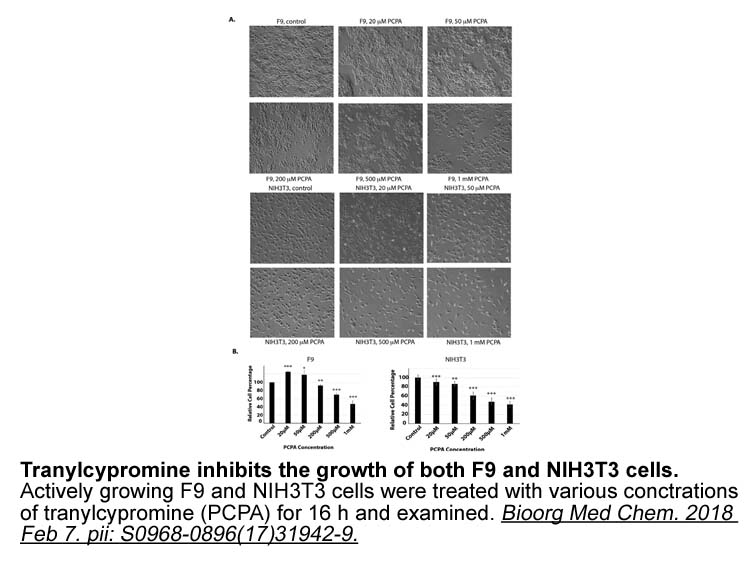
Methods Results Discussion TA-TMA is a severe complication for patients after HSCT. The pathogenesis of TA-TMA is unclear. Complement activation and endothelial cell injury may be involved in the pathogenesis of TA-TMA. Our previous investigations had demonstrated that plasma levels of C5b-
-
br Conclusion br Acknowledgments br Introduction
2021-10-26

Conclusion Acknowledgments Introduction The gyloxalase pathway is a well-conserved antioxidant defense system found in all cells of the body [1], [2], [3], [4]. The glyoxalase pathway facilitates the neutralization of highly reactive and oxidizing dicarbonyl molecules, with methylglyoxal (M
-
In the present study co administration of TM AT receptor
2021-10-26
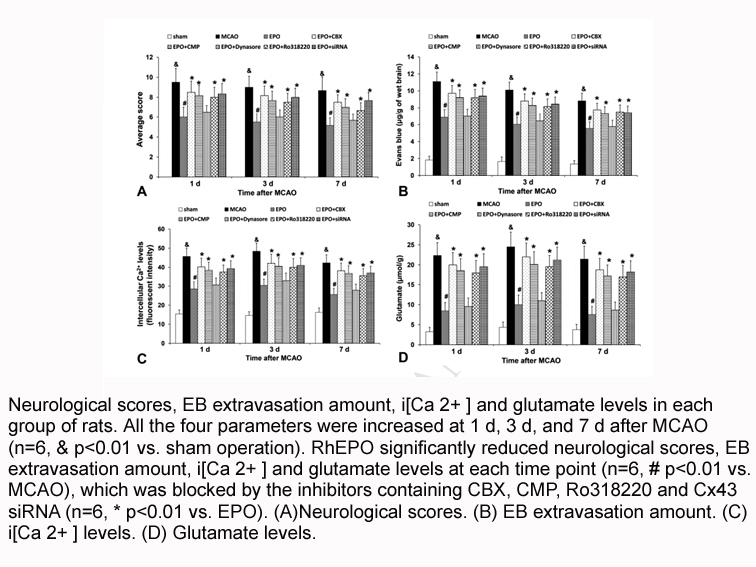
In the present study, co-administration of TM (AT1 receptor blocker) and PD (AT2 receptor blocker) were made in ischemic mice to explore the significance of AT2 receptors in cerebral ischemia while blocking central AT1 receptors. Also to prove that AT2 receptors should be free after ischemic injury
-
br Discussion In the present study we have demonstrated
2021-10-26
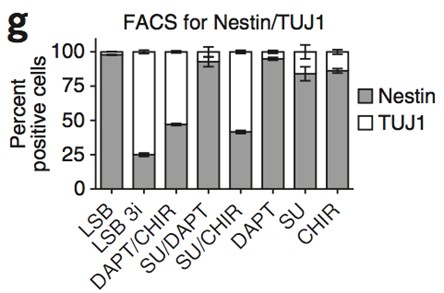
Discussion In the present study, we have demonstrated the effect of a high-fat diet upon wild-type and glut3 pregestational female phenotype and shown that it leads to obesity due to an increase in white adipose tissue contributing to the overall fat mass. Despite this observed obesity along with
-
Ability of D Ala GIP to
2021-10-26
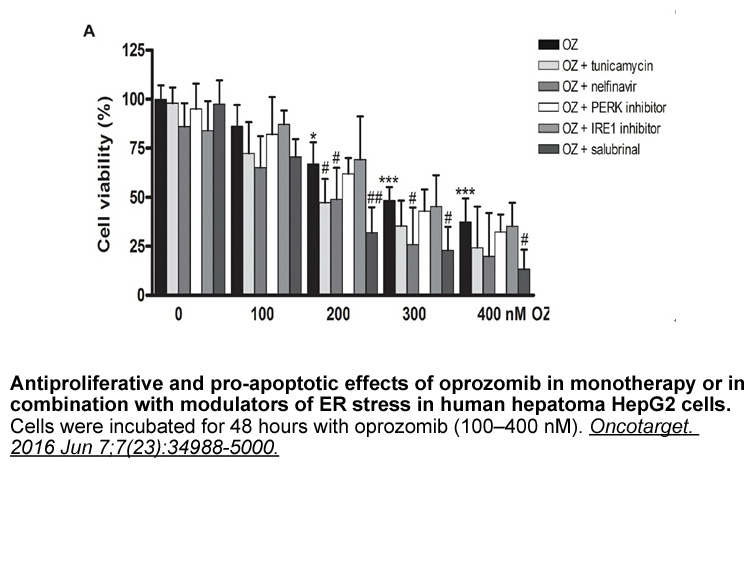
Ability of D-Ala2GIP to attenuate the neurobehavioral sequelae in QA-induced Huntington's disease model by reduction in lipid peroxidation, restoration of endogenous antioxidants and decreased striatal monoamine levels is of potential interest. Considerable preclinical evidence now exists of the pot
-
In addition several other considerations were made for the o
2021-10-25
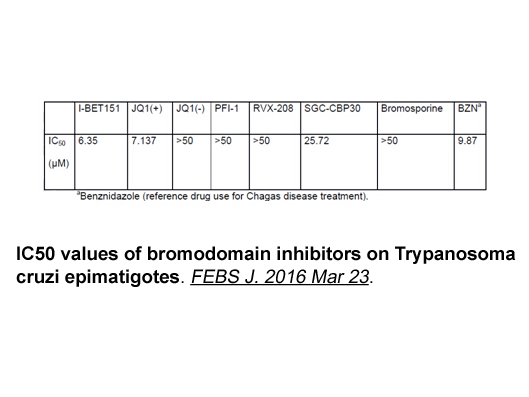
In addition, several other considerations were made for the optimization exercise. While the structural features of the endogenous ligands for long-chain fatty Milrinone receptors suggest obtaining orthosteric agonists with drug-like properties may be challenging, the optimization efforts were comm
-
Trifluoromethyl ketones and fluorophosphates were the first
2021-10-25
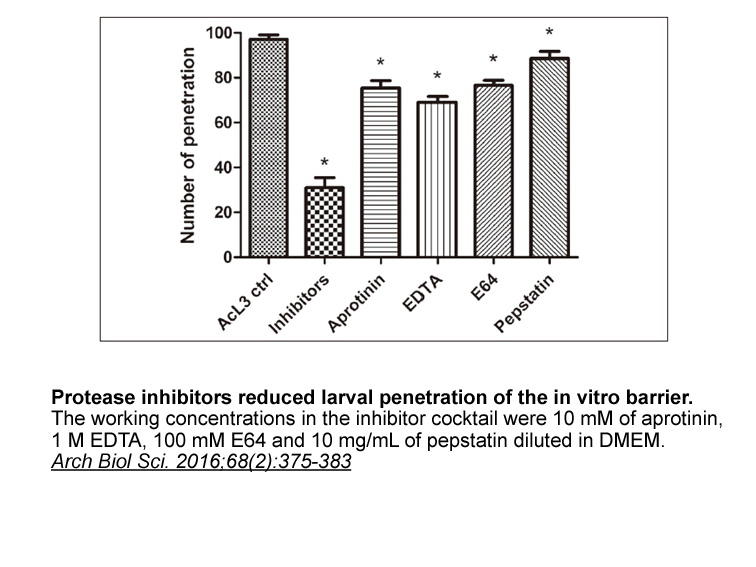
Trifluoromethyl ketones and fluorophosphates were the first generation FAAH inhibitors identified. They showed good in vitro FAAH inhibition potency, but most of them exhibited poor selectivity for FAAH over other serine hydrolases (such as the triacylglycerol hydrolase and the membrane-associated h
-
Based on the aforementioned findings variations
2021-10-25
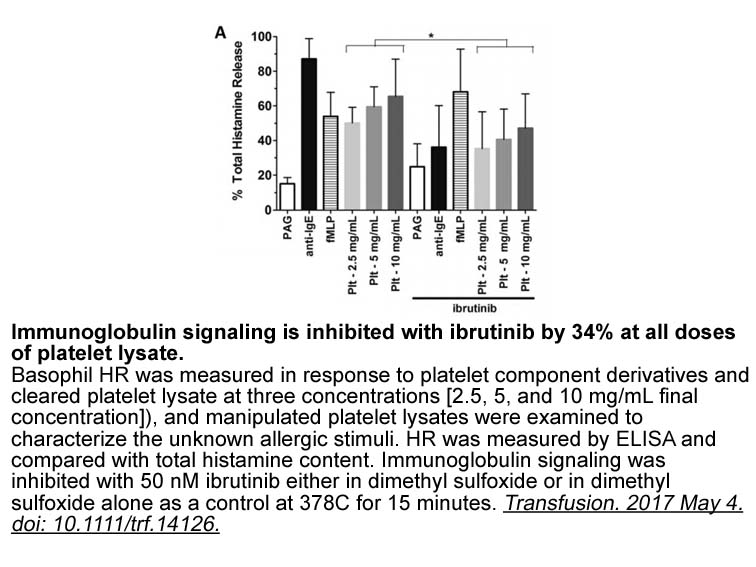
Based on the aforementioned findings, variations of the imidazole heterocycle present in the endogenous ligand histamine (1) led to 2-(thiazol-2-yl)ethanamine (2-TEA, 2) and later to 2-(3-bromophenyl)histamine or 2-(3-(trifluoromethyl)phenyl)histamine (3) (Fig. 3). Interestingly, 2-TEA demonstrated
-
br STAR Methods br Author Contributions br Introduction Hyal
2021-10-25
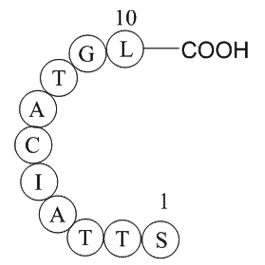
STAR★Methods Author Contributions Introduction Hyaluronan, a major constituent of the extracellular matrix (ECM), is produced by hyaluronan synthases (HASs) and degraded by hyaluronidases (HYALs) (Vigetti et al., 2014). Physiologically, hyaluronan exists in a form with a molecular weight of
-
Certainly the immune relevance of Hippo becomes
2021-10-25

Certainly, the immune relevance of Hippo becomes more complicated and divergent in the vertebrates than in Drosophila. In terms of inflammation of mammalians, the stories are diversified (Fig. 2). Previously, MST1/2 has been well characterized not only as a controller of lymphocytes adhesion and mi
-
In the same research group released a free internet accessib
2021-10-25

In 2017, the same research group released a free internet accessible database (HemeOxDB, http://www.researchdsf.unict.it/hemeoxdb), to make it easier the analysis of the literature and, consequently, the design of potent and selective HO-1 inhibitors. The database reported the entire set of HO-1 and
-
Preadipocytes are capable of differentiating into lipid lade
2021-10-25
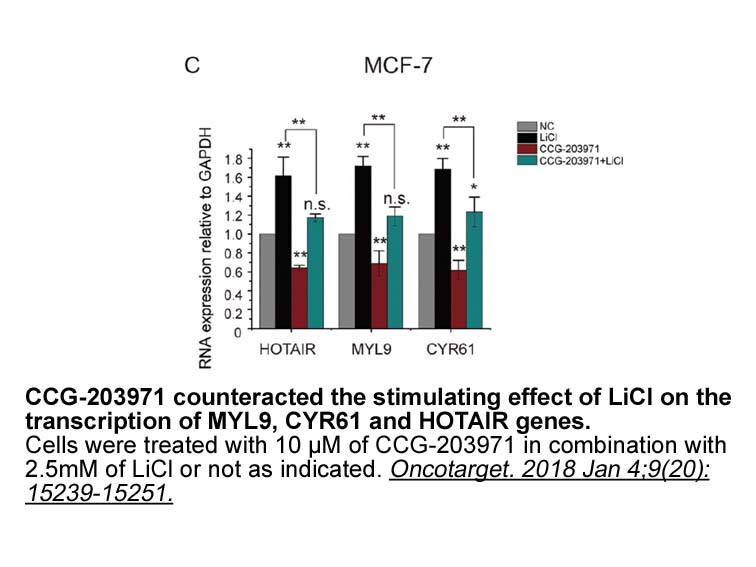
Preadipocytes are capable of differentiating into lipid-laden mature adipocytes. Lipid droplets are a prominent morphological feature of mature adipocytes, which is accumulated and maintained during adipocytes differentiation [26]. In this study, rHhip treatment increased lipid accumulation, as well
16874 records 604/1125 page Previous Next First page 上5页 601602603604605 下5页 Last page